
Permaculture… the Beginning
Permaculture is a design system for the creation of socially, economically and ecologically sustainable settlements, whether in rural areas or metropolitan cities.
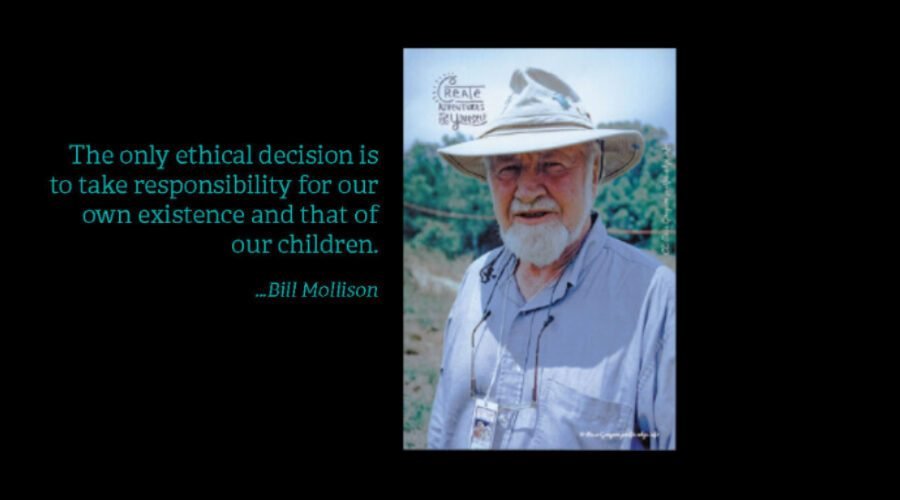
Bill Mollison

Bill Mollison and David Holmgren developed the Permaculture design system in Hobart, Tasmania, in the late 1970s. Mollison founded Tagari Publications, which published permaculture books, and established the Permaculture Institute, initially in Tasmania, then in Tyalgum, NSW. The Institute returned to Tasmania in the 1990s.
Holmgren left Tasmania after completing his studies at the Tasmanian College of Advanced Education and later settled in Hepburn, Victoria, where he established a rural smallholding and permaculture education centre, Melliodora, where he continues to live and teach permaculture design.
Permaculture is now practiced in many countries in both the developed and less-developed world.
Permaculture today
Permaculture offers a framework to design our households, our lives, our communities for resilient living in a world characterised by social and political fragmentation and uncertainty. It offers a grassroots approach, focusing on both individual household initiatives and community cooperation.
In a world of decreasing energy, Permaculture provides the best available framework for redesigning the whole way we think, the way we act, and the way we design new strategies.
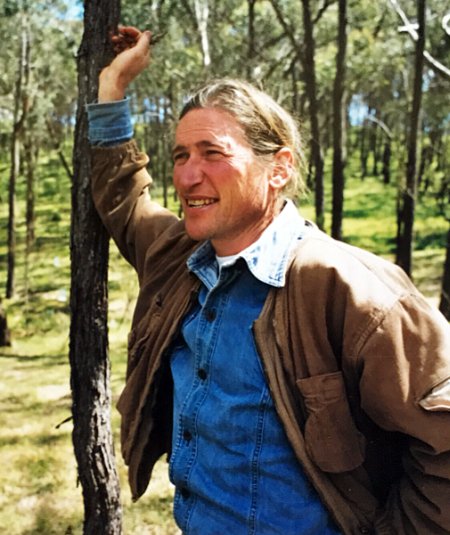
David Holmgren
Permaculture, a DIY approach to resilient living, food production and resource conservation in households, also advocates for community involvement. This is crucial, as households can’t achieve the scale of change required all by themselves.